
WELLNESS | DANA POINT & SOUTH ORANGE COUNTY
Wolf Therapy in Orange County
Wolf therapy is one of the most distinctive — and genuinely powerful — experiential modalities available in behavioral health. Structured sessions with socialized wolves, facilitated by a licensed therapist and certified animal handlers, create a therapeutic context that is unlike anything available in a traditional clinical setting. Wolves are highly attuned to authentic emotional states, extraordinarily selective about trust, and incapable of the social performance that humans bring to most interactions. That honesty — raw, instinctual, and immediate — is what makes the experience therapeutically meaningful.
At South Orange County Wellness, wolf therapy is available as an optional experiential enhancement for enrolled clients — offered alongside, not instead of, individual therapy, group therapy, and evidence-based clinical treatment. Sessions are structured, clinician-facilitated, and designed to connect what arises in the presence of these animals directly to each client’s recovery goals. This is not a novelty experience. It’s a serious therapeutic modality that happens to be unlike anything most people have encountered before.
 Medically reviewed by Joseph De Santo, MD, Medical Director
Find out if your insurance will cover the cost of treatment.
"*" indicates required fields
How Wolf Therapy Works
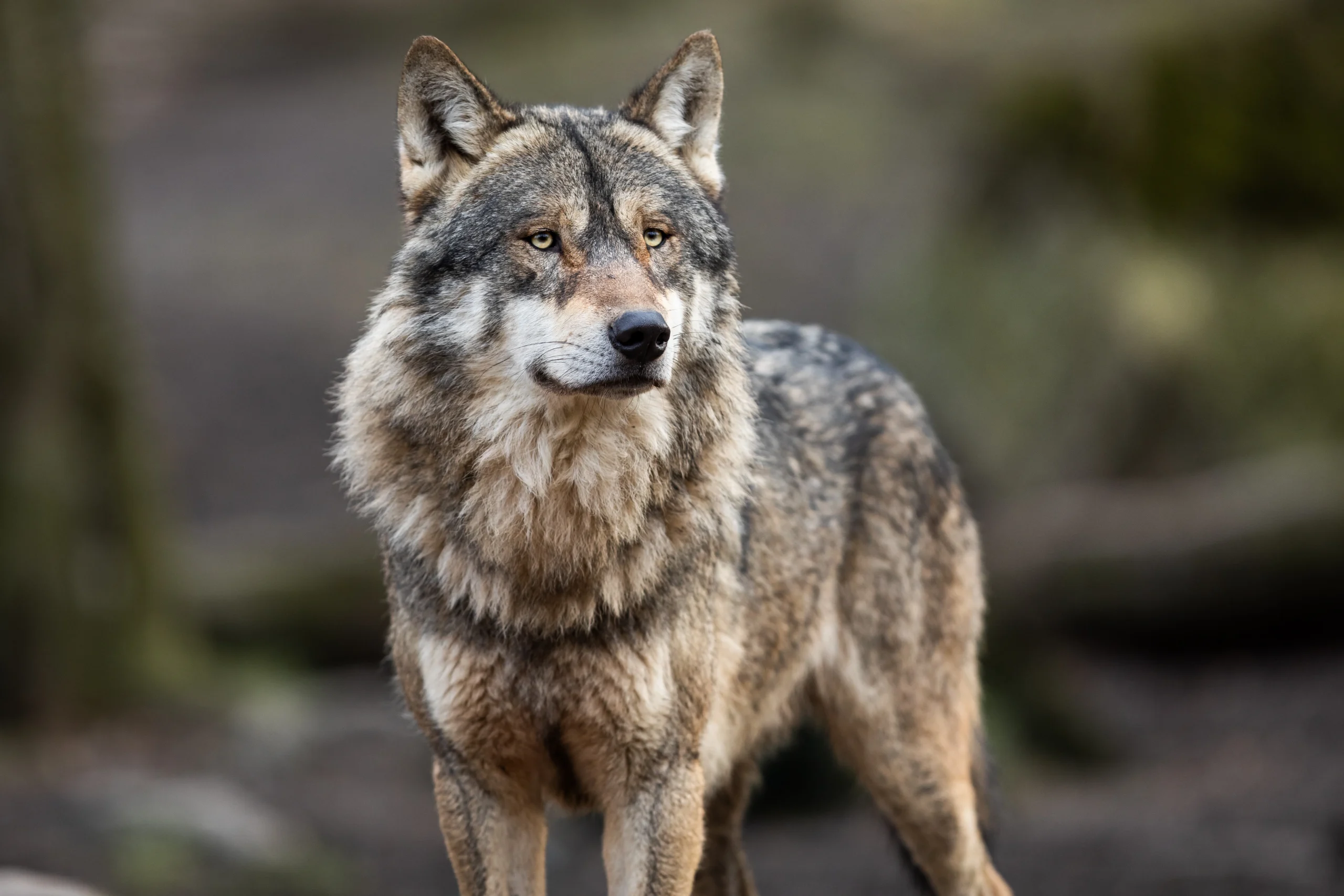
Wolves are among the most socially sophisticated animals on earth. They communicate through body language, energy, and authentic emotional presence — and they respond to what is real, not what is performed. A wolf cannot be fooled by a social mask or a rehearsed response. That inability to perform in their presence is, for many people, the most honest they've been in a long time.
Wolf therapy involves structured, guided interactions with socialized wolves facilitated by a licensed therapist and certified animal handlers. Clients don't simply observe the wolves — they engage with them in a therapeutic context designed to surface emotional patterns, relational dynamics, and nervous system responses that can be explored and processed with the clinician in real time.
The pack dynamics of wolves also offer a unique therapeutic lens — themes of trust, hierarchy, belonging, protection, and authentic communication all emerge naturally in the presence of a wolf pack, providing rich material for therapeutic reflection and integration.
What Wolf Therapy Supports
Wolf therapy is a niche, experiential modality — formal research on it is still very limited. Here's what clients and clinicians commonly report, particularly among people for whom traditional approaches have had limited reach:
Authentic Presence
Wolves respond only to what is real — not to social performance or rehearsed behavior. For clients who have spent years masking their emotional reality, the experience of being seen authentically is therapeutically significant.
Trust Rebuilding
Earning the trust of a wolf — which is inherently selective and cannot be forced — is a genuinely meaningful experience for clients whose capacity for trust has been damaged by trauma, betrayal, or relational wounds.
Trauma Processing
The primal, instinctual nature of wolf interaction can bring up emotional and body-based responses that are hard to reach through talking alone — giving clients and their therapist new material to work with in trauma-focused treatment.
Shame Reduction
Wolves don't judge. Their acceptance — when it comes — is unconditional and instinctual. For clients carrying deep shame, the experience of being approached and accepted by a wolf can be profoundly healing.
Nervous System Regulation
The presence of wolves requires and cultivates calm, regulated energy. Clients practice managing their nervous system activation in real time — a skill that carries over to anxiety management and daily life.
Belonging & Connection
Pack dynamics offer a powerful mirror for human relational patterns — belonging, exclusion, protection, communication, and trust. These themes, observed in the wolves, become rich material for therapeutic exploration.
Wolf therapy at South Orange County Wellness is an adjunct to clinical treatment — not a standalone intervention. Its power comes from how it complements and deepens the individual and group therapy work clients are already engaged in.
What a Wolf Therapy Session Looks Like
Preparation & Check-In
Sessions begin with a structured check-in facilitated by the licensed therapist — grounding participants, setting intentions, and preparing clients emotionally and physically for the experience ahead.
Safety Orientation
Certified animal handlers provide a thorough safety briefing and introduce clients to the wolves from a distance before any direct interaction. No one is rushed into proximity before they're ready.
Guided Interaction
Interaction with the wolves is guided throughout by both the therapist and animal handlers. The wolves' responses — approach, retreat, curiosity, wariness — are observed and reflected upon as the session unfolds.
Therapeutic Processing
The therapist facilitates real-time and post-interaction reflection — exploring what arose emotionally, what the wolves' responses mirrored, and how the experience connects to each client's ongoing treatment themes.
Integration & Closing
Sessions close with a structured integration — grounding, reflection, and connection back to treatment goals. Clinical notes are integrated into the client's overall care record.
Who Benefits Most From Wolf Therapy
Wolf therapy tends to resonate most strongly with clients who:
- Are working through trauma, PTSD, or complex trauma
- Struggle with deep trust and attachment wounds
- Carry significant shame or a sense of being fundamentally unacceptable
- Are in recovery from substance use and seeking connection without substances
- Have found traditional talk therapy limited or difficult to engage with
- Feel drawn to nature-based and experiential modalities
- Are veterans, first responders, or others with high walls around vulnerability
- Carry body-held trauma that has been hard to reach through talking alone
Wolf therapy is not for everyone — and that's part of what makes it powerful for those it does reach. Your clinical team will help you determine whether it's the right fit for your situation.
Wolf Therapy as Part of Your Program
Wolf therapy at South Orange County Wellness is offered as an optional experiential enhancement for enrolled clients — available alongside, not instead of, individual therapy, group therapy, and evidence-based clinical treatment.
Sessions are structured therapeutic experiences facilitated by a licensed therapist and certified animal handlers. Participation is determined by your clinical team based on your goals, readiness, and clinical appropriateness.
If wolf therapy is something you're drawn to, mention it during your admissions conversation or to your clinical team once enrolled. It's one of the things that makes what we offer here genuinely different.
Interested in Wolf Therapy?
Let your admissions coordinator or clinical team know. We'll walk you through what to expect, whether it's a fit for your situation, and how to get started.
Talk to AdmissionsFrequently Asked Questions About Wolf Therapy
Some things can't be explained — only experienced.
Wolf therapy is one of the most distinctive things we offer — and one of the most powerful for the right person. Ask about it when you reach out.
Talk to Admissions